
Why Hotels, Restaurants & Cloud Kitchens Prefer Wooden Chopping Boards
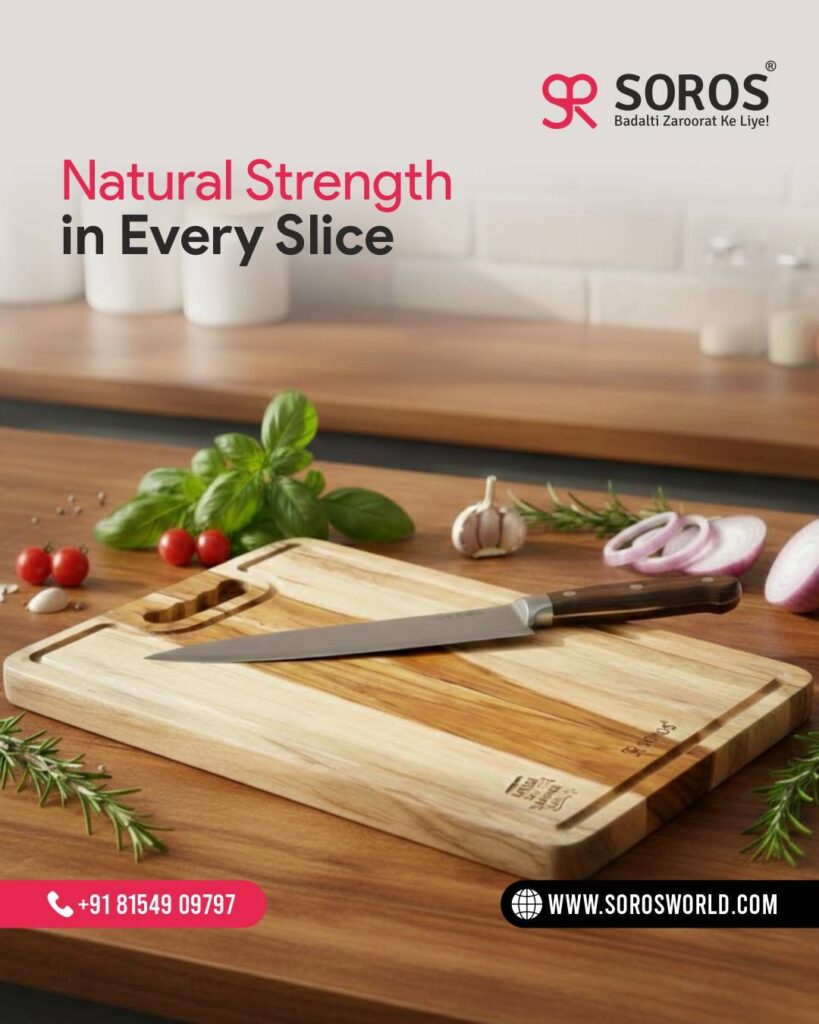
Why Hotels, Restaurants & Cloud Kitchens Prefer Wooden Chopping Boards for Premium Food Preparation The hospitality and food service industry has evolved significantly over the past decade. Modern commercial kitchens are no longer focused only on operational speed and functionality. Today, professional food businesses also prioritize presentation quality, kitchen aesthetics, food preparation efficiency, and premium customer experience. As a result, kitchen utility products have become an important part of commercial kitchen operations and brand presentation. Among these products, wooden chopping boards have become increasingly popular across: Hotels Restaurants Cloud kitchens Cafés Catering businesses Luxury dining spaces Food styling environments Premium hospitality setups Wooden chopping boards are now used not only for food preparation but also for serving, presentation, buffet styling, and premium dining experiences. This growing commercial demand has created strong opportunities for distributors, hospitality suppliers, importers, and OEM kitchenware brands looking to source high-quality wooden chopping boards from reliable manufacturers. At Soros, we manufacture premium wooden chopping boards designed for hospitality supply, commercial kitchen usage, OEM manufacturing, and private label kitchenware distribution. The Growing Importance of Kitchen Presentation in Hospitality Modern hospitality businesses compete not only through food quality but also through overall customer experience. Today’s dining experience includes: Food presentation Table styling Kitchen aesthetics Serving presentation Premium dining visuals Brand identity Wooden kitchenware products naturally support these goals because they provide: Warm natural aesthetics Premium visual appeal Professional serving presentation Rustic-modern dining experience Chef-focused food styling flexibility Because of this, wooden chopping boards are increasingly preferred across premium hospitality environments. Why Wooden Chopping Boards Are Popular in Professional Kitchens Commercial kitchens require products that balance: Functionality Durability Operational efficiency Professional appearance Long-term usability Wooden chopping boards are widely used because they offer: Stable cutting surfaces Strong structural durability Premium kitchen aesthetics Versatile food preparation usage Multi-functional serving capability Hotels and restaurants often use wooden chopping boards for: Vegetable preparation Bread serving Cheese platters Food presentation Table serving Chef preparation counters This versatility increases their value across commercial food service environments. Cloud Kitchens Are Driving Demand for Professional Kitchen Utility Products The rise of cloud kitchens and delivery-focused food businesses has transformed the commercial kitchen industry. Modern cloud kitchens require: Efficient kitchen organization Professional food preparation tools Durable kitchen accessories Easy-to-maintain utility products Compact operational systems Because cloud kitchens operate with high daily food preparation volumes, they prefer utility products that combine: Durability Ease of use Operational practicality Professional appearance Wooden chopping boards continue to remain a preferred option for many commercial kitchen operators because they support both functionality and visual quality. Why Wooden Chopping Boards Enhance Premium Dining Experiences Wooden chopping boards are no longer limited to kitchen preparation areas. Many restaurants and cafés now use them directly for: Pizza serving Bread presentation Cheese platters Buffet styling Signature dish presentation Sharing platters The natural grain texture and warm appearance of wooden boards help create: Premium dining aesthetics Rustic-modern presentation Social media-friendly food visuals Luxury serving appeal Professional table presentation This is especially important in modern hospitality businesses where presentation strongly influences customer perception and online engagement. Why Hospitality Buyers Prefer Premium Wooden Finishing Commercial hospitality buyers carefully evaluate finishing quality before sourcing kitchenware products. Premium finishing improves: Customer experience Visual presentation Food styling quality Restaurant aesthetics Long-term durability Professional hospitality buyers often inspect: Wood grain consistency Surface smoothness Edge finishing Board thickness Structural balance Food-safe coating quality Poor finishing can negatively impact: Restaurant presentation Customer reviews Food styling Brand perception Product durability At Soros Wooden Chopping Boards, we focus on premium finishing standards designed for modern hospitality and commercial kitchen requirements. Why Hospitality Procurement Teams Prefer OEM Manufacturing Partners Many hotels, restaurant groups, and hospitality suppliers now prefer customized kitchenware solutions aligned with their brand identity. OEM manufacturing allows hospitality businesses to create: Branded serving boards Custom-shaped chopping boards Logo-engraved kitchenware Restaurant-specific presentation products Private label hospitality collections Professional OEM manufacturers help hospitality businesses improve: Brand consistency Dining presentation Operational standardization Premium customer experience This is one of the reasons OEM wooden kitchenware manufacturing has grown rapidly across hospitality supply markets. Why Wooden Chopping Boards Align with Modern Hospitality Trends Hospitality design trends are increasingly moving toward: Natural materials Warm interior aesthetics Minimalist dining concepts Sustainable product choices Rustic-modern presentation styles Wooden chopping boards naturally complement these trends. Restaurants and cafés increasingly use wooden presentation products because they create: Premium food photography visuals Natural table aesthetics Modern rustic presentation Luxury dining appeal This trend is particularly strong across: Boutique cafés Luxury hotels Modern restaurants Premium bakery brands Food styling businesses Why Material Quality Matters in Commercial Hospitality Usage Hospitality environments involve continuous daily usage. Commercial buyers require chopping boards capable of handling: Regular food preparation Daily cleaning cycles Continuous kitchen operations Heavy serving usage Professional presentation demands High-quality hardwood materials provide: Better durability Improved structural stability Long-term usability Premium visual appeal Professional manufacturers typically use premium hardwood variants designed for commercial kitchen and hospitality applications. Why Hospitality Suppliers Prefer Multi-Category Kitchenware Manufacturers Large hospitality procurement companies often prefer manufacturers capable of supplying multiple related product categories. This simplifies: Vendor management Bulk procurement Container optimization Packaging coordination Supply chain operations In addition to wooden chopping boards, Soros also manufactures: Stainless Steel Chopping Boards Plastic Chopping Boards Kitchen Storage Solutions Kitchen Tableware Products Kitchen Utility Products Lunch Boxes Cloth Drying Stands Cloth Hangers Mobile Stands This allows hospitality buyers and distributors to streamline sourcing through a single trusted manufacturing partner. Why Export Demand for Wooden Hospitality Products Is Growing International hospitality markets increasingly prefer kitchenware products that combine: Premium aesthetics Commercial functionality Natural presentation Long-term durability Professional dining appeal Wooden chopping boards align strongly with these global hospitality trends. Export buyers now source wooden chopping boards for: Hotel chains Restaurant supply businesses Hospitality distributors Premium homeware retailers Kitchenware brands This has created growing international demand for Indian wooden chopping board manufacturers. Why Buyers Choose Soros for Wooden Chopping Board Manufacturing Soros is an Indian manufacturer specializing in modern kitchen and home utility products designed for: Hospitality supply OEM manufacturing
How Wooden Chopping Board Manufacturers in India
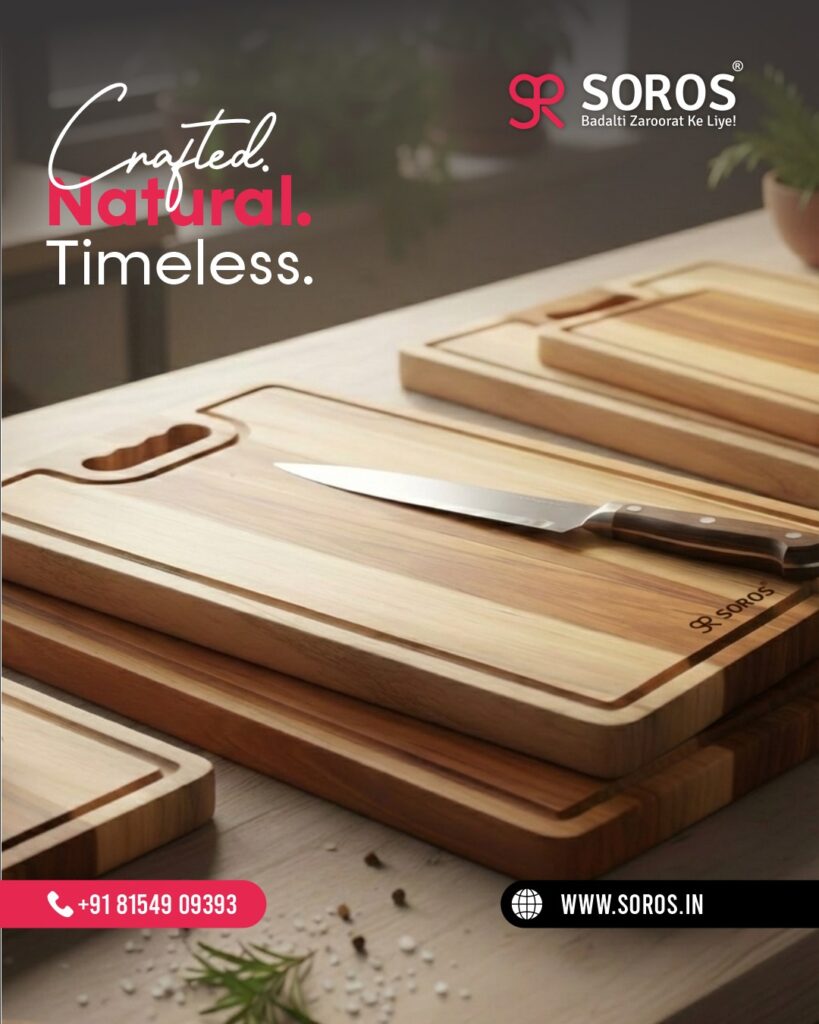
How Wooden Chopping Board Manufacturers in India Are Meeting Global OEM & Export Demand The global kitchenware market has undergone a major transformation over the past decade. Modern consumers are no longer purchasing kitchen products based only on functionality. Today’s buyers also prioritize aesthetics, sustainability, durability, and premium kitchen experiences. Among the fastest-growing categories in modern kitchenware is the wooden chopping board segment. Once viewed as a simple kitchen utility item, wooden chopping boards are now positioned as premium kitchen essentials used across households, hospitality environments, retail collections, and professional food preparation setups. This growing international demand has created strong opportunities for manufacturers capable of supplying high-quality wooden chopping boards at scale. India has rapidly emerged as one of the leading manufacturing hubs for OEM and export-focused wooden chopping board production because of its: Skilled woodworking expertise Premium hardwood availability Competitive manufacturing ecosystem OEM production capability Growing export infrastructure Flexible customization support Today, Indian manufacturers are supplying premium wooden chopping boards to: Private label brands Retail kitchenware chains Importers & distributors E-commerce sellers Hospitality suppliers International wholesalers Modern lifestyle brands At Soros, we manufacture premium wooden chopping boards designed for OEM manufacturing, export distribution, and private label kitchenware businesses across global markets. The Global Rise of Premium Wooden Kitchenware Kitchenware buying trends have changed dramatically in recent years. Consumers now prefer products that combine: Natural materials Premium appearance Long-term durability Professional kitchen aesthetics Eco-conscious positioning Multi-functional usability Wooden chopping boards naturally align with these preferences because they offer: Premium wood grain aesthetics Natural kitchen styling Long-term utility Professional food presentation appeal Strong retail value perception This has significantly increased demand across both residential and commercial kitchen segments. Why International Buyers Are Sourcing Wooden Chopping Boards from India Global procurement buyers are increasingly sourcing kitchenware products from India because of the country’s growing manufacturing capabilities. Indian wooden chopping board manufacturers now offer: Scalable OEM production Private label customization Competitive manufacturing costs Export-focused packaging systems Premium handcrafted finishing Reliable production infrastructure For international buyers, this creates major sourcing advantages. India has become especially attractive for: Kitchenware importers Retail sourcing companies Amazon private label sellers Hospitality procurement businesses Global homeware brands OEM Manufacturing Is Driving the Next Phase of Kitchenware Growth One of the biggest changes in the global kitchenware industry is the rise of OEM and private label brands. Instead of selling generic products, many businesses now launch their own branded kitchenware collections. Private label kitchenware offers: Higher profit margins Brand ownership Retail differentiation Customer loyalty opportunities Long-term business scalability As a result, OEM manufacturers capable of supporting customized wooden chopping board production are becoming increasingly important. Professional OEM buyers now expect manufacturers to support: Custom logo engraving Custom dimensions Retail packaging Product labeling Private branding Bulk export packaging Manufacturers with strong OEM capabilities are now preferred over generic trading suppliers. What Makes Wooden Chopping Boards a Strong Export Product Wooden chopping boards perform exceptionally well in export markets because they combine: Practical functionality Premium aesthetics Compact shipping structure Strong retail presentation Long product lifespan Unlike many low-value kitchen products, wooden chopping boards can be positioned as: Premium kitchen accessories Gift products Luxury kitchenware Chef-grade preparation tools Decorative serving solutions This allows retailers and distributors to achieve stronger retail margins and premium product positioning. Why Material Selection Is Critical in Wooden Chopping Board Manufacturing Wood quality is one of the most important factors affecting: Product durability Moisture resistance Structural stability Food safety Long-term customer satisfaction Professional manufacturers typically use hardwoods such as: Teak wood Acacia wood Natural premium hardwood variants These woods are preferred because they offer: Strong grain structure Durability under regular use Premium natural appearance Better moisture handling Longer product life At Soros Wooden Chopping Boards, we manufacture premium-quality boards designed for long-term commercial, retail, and export applications. Why Product Finishing Matters in Premium Retail Markets Global retail buyers carefully evaluate product finishing before selecting suppliers. Finishing quality affects: Retail shelf appeal Brand perception Customer experience Online reviews Premium product positioning Professional wooden chopping board finishing includes: Smooth edge polishing Balanced board thickness Food-safe protective coatings Consistent wood finishing Uniform product appearance Poor finishing often leads to: Product cracks Customer complaints Retail returns Negative ratings Brand reputation damage That is why professional manufacturers invest heavily in structured quality inspection systems. Export Packaging Standards Have Become More Important Than Ever Export buyers increasingly prioritize manufacturers capable of supporting structured packaging systems. Good packaging helps: Reduce transit damage Improve retail presentation Support e-commerce fulfillment Protect product finishing Strengthen brand identity Modern OEM buyers now require: Retail-ready packaging Export cartons Barcode labeling Private label branding Bulk shipment optimization Soros supports packaging systems designed for wholesale distribution, modern retail, and international export markets. Why Hospitality Buyers Prefer Premium Wooden Chopping Boards Hotels, cafés, restaurants, and hospitality businesses increasingly use wooden chopping boards because they offer: Premium serving presentation Natural dining aesthetics Multi-purpose functionality Professional food styling appeal Durable kitchen usability Wooden chopping boards are commonly used for: Bread serving Cheese platters Food preparation Restaurant presentation Buffet service Premium table presentation This has created strong commercial demand from hospitality procurement companies worldwide. Why Supply Reliability Matters for International Buyers One of the biggest challenges global buyers face is inconsistent manufacturing quality and delayed production timelines. Reliable manufacturing partners help businesses maintain: Inventory stability Retail continuity E-commerce rankings Customer satisfaction Operational efficiency Before selecting a manufacturer, professional buyers usually evaluate: Production capacity Lead times Manufacturing infrastructure Quality systems Packaging standards Communication process Long-term supplier reliability is often more valuable than short-term low pricing. Why Buyers Prefer Multi-Category Kitchenware Manufacturers Many distributors and private label brands prefer manufacturers who can supply multiple related kitchenware products. This simplifies: Vendor management Container optimization Packaging coordination Procurement operations Supply chain management Along with wooden chopping boards, Soros also manufactures: Stainless Steel Chopping Boards Plastic Chopping Boards Kitchen Storage Solutions Kitchen Tableware Products Kitchen Utility Products Lunch Boxes Cloth Drying Stands Cloth Hangers Mobile Stands This allows buyers to streamline sourcing through a single reliable manufacturing ecosystem. Why Sustainability Trends
Why Private Label Brands Are Choosing Wooden Chopping Board Manufacturers
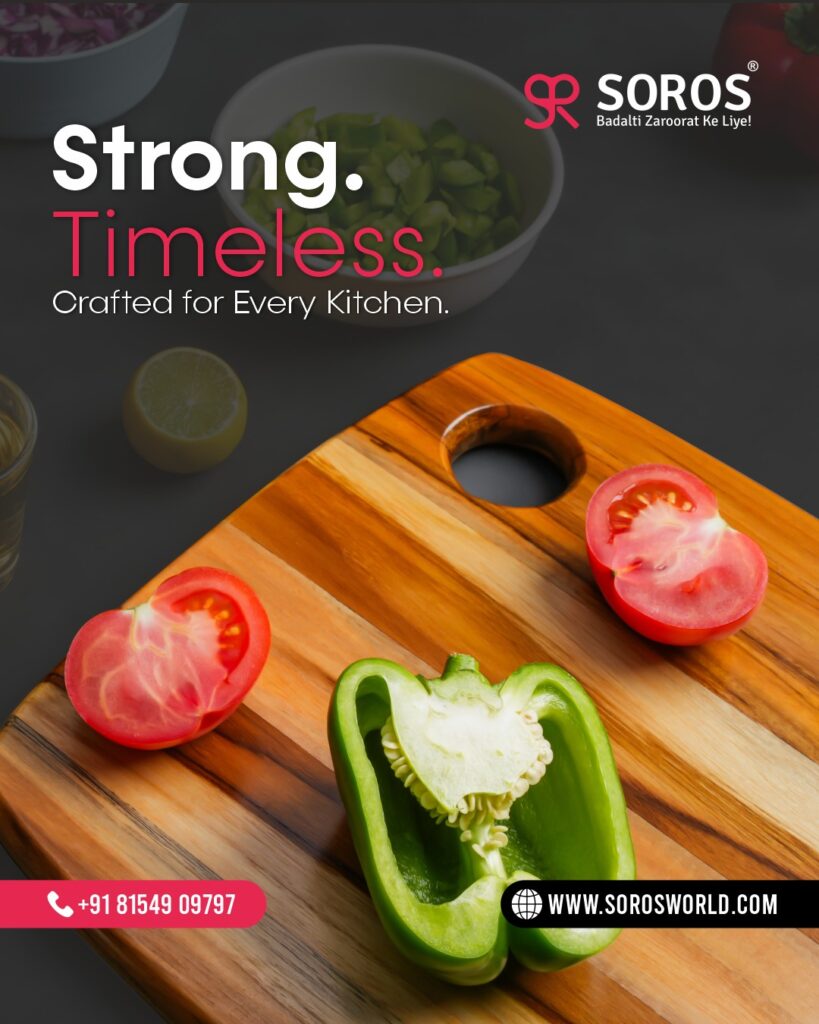
Why Private Label Brands Are Choosing Wooden Chopping Board Manufacturers in India for Premium Kitchenware Supply The global kitchenware industry is rapidly shifting toward products that combine functionality, durability, aesthetics, and sustainability. Among the fastest-growing product categories in premium kitchenware markets are wooden chopping boards. Today, modern retailers, distributors, importers, hospitality suppliers, and e-commerce brands are increasingly sourcing wooden chopping boards for private label and OEM supply because of their strong market demand and premium positioning. As international buyers continue to expand their kitchen utility portfolios, India has emerged as a major manufacturing destination for high-quality wooden chopping boards. Indian manufacturers are now supplying premium wooden chopping boards to: Retail kitchenware brands Modern trade chains E-commerce marketplaces Hospitality suppliers Distributors & wholesalers Private label brands Export trading companies At Soros, we manufacture premium wooden chopping boards designed for OEM manufacturing, private label branding, and bulk commercial supply across domestic and international markets. The Rising Demand for Premium Wooden Kitchenware Consumer buying behavior has changed significantly over the last few years. Modern buyers are increasingly attracted to kitchen products that offer: Premium appearance Natural materials Durability Food-safe construction Eco-friendly positioning Long-term usability Because of these trends, wooden chopping boards have become highly popular across both residential and professional kitchen environments. Wooden chopping boards are now widely used in: Luxury home kitchens Hotels & restaurants Chef-focused kitchens Food styling setups Retail kitchenware collections Premium hospitality environments This increasing demand has created strong opportunities for private label brands looking to expand into premium kitchen utility categories. Why Wooden Chopping Boards Have Strong Retail Value Wooden chopping boards are not viewed only as functional kitchen products anymore. Today, they are positioned as: Premium kitchen accessories Modern lifestyle products Decorative serving solutions Professional food preparation tools Sustainable kitchenware products For retailers and distributors, this creates multiple advantages: Higher perceived product value Better retail margins Premium product positioning Strong customer appeal Wide target audience reach As kitchen aesthetics become increasingly important for consumers, demand for natural wood kitchenware products continues to grow. Why India Has Become a Major Wooden Chopping Board Manufacturing Hub India has developed a strong reputation for wooden kitchenware manufacturing because of its: Skilled craftsmanship Premium wood availability Large-scale production capability Competitive manufacturing ecosystem Growing export infrastructure OEM manufacturing expertise Indian manufacturers now support buyers across: North America Europe Middle East Australia Asian retail markets Professional manufacturers are capable of producing wooden chopping boards in: Custom dimensions Private label packaging Retail-ready formats Bulk OEM production models This flexibility makes India highly attractive for modern kitchenware brands and international sourcing buyers. What Private Label Buyers Should Look for in a Wooden Chopping Board Manufacturer 1. Wood Quality & Material Selection The quality of wood used directly impacts: Product durability Moisture resistance Food safety Appearance Long-term usability Professional manufacturers commonly use premium hardwoods like: Teak wood Acacia wood Natural hardwood variants These materials offer: Strong structural stability Natural grain finish Long product lifespan Better moisture resistance Premium retail appearance At Soros Wooden Chopping Boards, we manufacture premium wooden boards designed for commercial supply, retail distribution, and export-focused private label requirements. 2. Craftsmanship & Product Finishing In premium kitchenware categories, finishing quality plays a critical role. Buyers should carefully evaluate: Wood grain finishing Edge smoothness Surface polishing Board thickness consistency Structural balance Food-safe coating quality Well-finished wooden chopping boards improve: Retail presentation Customer experience Product durability Brand positioning Export value perception Poor finishing often leads to: Product cracking Customer complaints Returns Negative reviews Brand reputation issues Professional manufacturers implement structured quality inspection systems to maintain finishing consistency across every production batch. 3. OEM & Private Label Manufacturing Support Private label brands require more than standard products. Modern kitchenware businesses look for manufacturers capable of supporting: Custom logo engraving Retail packaging Custom board shapes Custom dimensions Private label branding Bulk packaging solutions Strong OEM capability allows brands to create differentiated product collections that align with their retail positioning and customer preferences. At Soros, we support OEM wooden chopping board manufacturing designed for modern private label kitchenware brands and wholesale distribution businesses. Why Wooden Chopping Boards Are Popular in Premium Hospitality Markets Hotels, restaurants, cafés, and premium dining environments increasingly use wooden chopping boards because they combine: Professional appearance Natural aesthetics Food preparation functionality Serving versatility Premium dining presentation Wooden chopping boards are widely used for: Kitchen preparation Bread serving Cheese presentation Restaurant serving platters Premium buffet presentation Food photography styling This growing hospitality demand has expanded opportunities for manufacturers supplying premium wooden kitchenware products. Packaging Standards Matter for Retail & Export Buyers Packaging quality directly impacts product presentation and shipment protection. Professional OEM buyers now prioritize manufacturers capable of supporting: Retail packaging Export packaging Barcode integration Brand-focused packaging design Protective transit packaging Strong packaging systems help: Reduce transit damage Improve shelf presentation Strengthen brand perception Enhance customer experience Soros supports structured packaging solutions aligned with modern retail and export distribution requirements. Why Sustainability Trends Are Supporting Wooden Kitchenware Demand Global buyers increasingly prefer products positioned around: Natural materials Eco-conscious manufacturing Reusable kitchenware Sustainable lifestyle products Wooden chopping boards naturally align with these trends because of their premium, reusable, and long-lasting characteristics. As sustainability becomes a major retail trend worldwide, demand for natural wood kitchen products is expected to continue growing steadily. Supply Consistency Is Critical for Growing Private Label Brands One of the biggest challenges for expanding retail brands is maintaining stable product supply. Private label buyers should carefully evaluate: Production capability Lead times Manufacturing infrastructure Quality systems Communication responsiveness Packaging reliability Long-term manufacturing partnerships help brands maintain: Inventory planning Retail consistency Marketplace rankings Customer satisfaction Operational efficiency Reliable manufacturers become long-term growth partners rather than short-term suppliers. Why Multi-Category Manufacturing Support Benefits Buyers Most wholesalers, distributors, and kitchenware brands eventually expand across multiple product categories. Working with a diversified manufacturing partner simplifies: Vendor management Container optimization Procurement coordination Packaging standardization Supply chain management In addition to wooden chopping boards, Soros also manufactures: Stainless Steel Chopping Boards Plastic Chopping Boards Kitchen Storage Solutions Kitchen Tableware Products
The Wooden Chopping Board Guide Every Indian Kitchen Needs
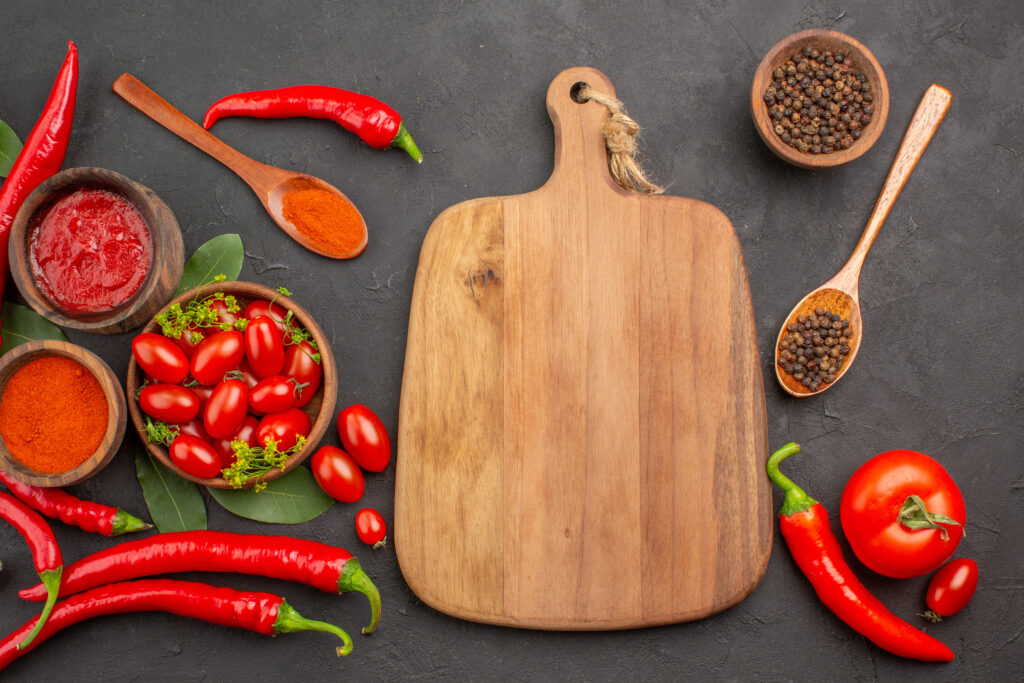
There is something deeply satisfying about a good wooden chopping board. The solid weight of it. The warm grain under your fingers. The sound it makes when a good knife meets a well-made board. Wood has been the material of choice for cutting surfaces for thousands of years, and in Indian kitchens specifically, it remains the most trusted and most used option. But not all wooden chopping boards are equal. The type of wood matters enormously. The way it is made matters. The way you maintain it determines whether it lasts two years or twenty. This guide covers everything you need to know about choosing and caring for a wooden chopping board in an Indian kitchen, with clear advice on what actually works versus what looks good in a product photo. Why Wood Remains the Most Popular Choice Despite the rise of stainless steel chopping boards and plastic alternatives, the wooden chopping board remains the dominant choice in Indian homes for good reason. Wood is naturally gentle on knife edges, far gentler than steel or glass. The slight give of a wooden surface means your blade does not take the full force of impact on a hard surface, preserving sharpness significantly longer. Wood also has natural antimicrobial properties. Certain hardwoods, particularly teak, which is native to South and Southeast Asia contain natural oils that actively resist bacterial growth on the surface. This is not a marketing claim; it is documented in food science research comparing wood species for kitchen use. For Indian cooking, the wooden board also has a tactile advantage. Slicing through soft vegetables like tomatoes, brinjal, or ladies’ fingers on a wooden surface gives you better control than on smooth steel. The slight texture grips the food just enough to prevent slipping without requiring excessive force. The Right Wood for Indian Kitchens This is where most buyers go wrong. They see a ‘wooden chopping board’ and assume wood is wood. It is not. The species makes all the difference. Teakwood is the gold standard for chopping boards in India, and Soros teakwood chopping boards are built around this specifically. Teak is a dense hardwood with high natural oil content. That oil content is the key it acts as a natural moisture barrier, preventing the board from absorbing water and the bacteria that come with it. Teak also resists warping, which is the number one failure mode of cheaper wooden boards. Mango wood is a good mid-range option. It is lighter than teak, reasonably hard, and widely available in India. It does not have the natural oil content of teak, so it requires regular treatment with food-grade mineral oil. Bamboo is technically a grass, not a wood, but it deserves mention because of how heavily marketed it is. Bamboo boards are hard, which makes them tough on knife edges. They are also glued together from strips, which means the adhesives matter for food safety. While eco-friendly, bamboo is not necessarily the best-performing option for heavy daily Indian kitchen use. Pine, MDF, or cheap softwoods should be avoided entirely. They are too soft, develop deep knife marks rapidly, and warp badly when exposed to water. Soros Teakwood Chopping Boards: What Makes Them Different Soros teakwood chopping boards are made from single-piece teak, not glued composite boards. This matters because glued boards have seams where moisture and bacteria can accumulate. A single-piece board has no such weak points. The boards are finished with food-grade conditioning oil, not chemical varnishes or synthetic coatings. This means the surface that contacts your food is entirely safe. The finish also enhances the natural grain of the teak, giving each board a slightly unique appearance since no two pieces of natural wood are identical. Also explore our best wooden chopping boards for modern kitchens in India to see the full range and compare options by size, wood type, and use case. How to Make Your Wooden Board Last for Years Maintenance is where most people lose a perfectly good wooden board. For a detailed step-by-step guide, read our post on how to maintain your teakwood chopping board for daily use. The core rules are: When to Replace Your Wooden Chopping Board Even the best wooden chopping board has a lifespan. When the surface develops deep grooves that cannot be removed by hand-sanding and re-oiling, replace it. If a persistent odour remains even after lemon-and-salt treatment, the bacteria have penetrated too deeply. A quality Soros teakwood board, properly maintained, should last five to seven years minimum. Wooden vs Stainless Steel: Which for Which Task? Many serious home cooks use both. Use a stainless steel chopping board for raw meat, fish, and roti dough, where hygiene is paramount. Use a wooden board for vegetables, herbs, and fruit where knife preservation matters. See our complete stainless steel chopping board guide to understand how the two materials complement each other. Also worth reading: why wooden chopping boards still win in Indian kitchens, for a deeper look at why wood continues to dominate despite newer alternatives. Which Board Is Right for You? If you cook daily and need a reliable, knife-friendly surface, a Soros teakwood wooden chopping board is the right choice. Explore our full range, including plastic chopping boards, and see the essential tools for easy and faster cooking to build a complete kitchen toolkit. Explore Soros teakwood chopping boards at soros. Available in multiple sizes with free shipping across India. Built for Indian kitchens, backed by 10 years of manufacturing expertise.
Why Wooden Chopping Boards Still Win in Indian Kitchens
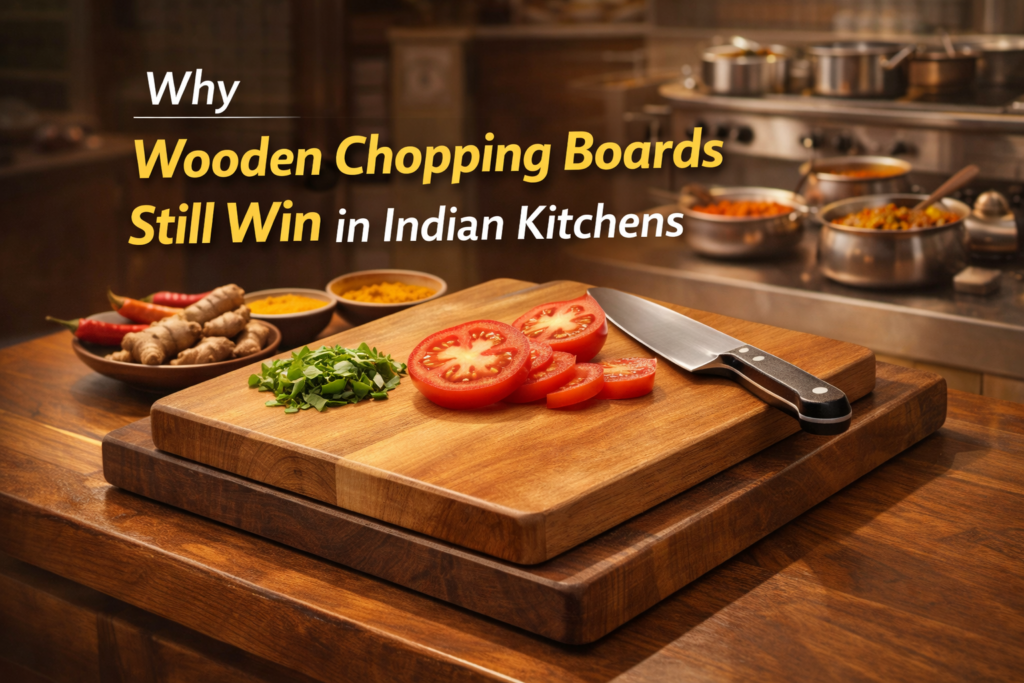
There is something about a wooden chopping board that no other kitchen tool quite replaces. The warm grain texture, the satisfying sound of a knife meeting the surface, the natural beauty it adds to a kitchen counter wooden chopping boards have been part of Indian cooking for generations. And today, with better manufacturing standards, food-grade finishes, and eco-conscious sourcing, the wooden chopping board has become one of the most sought-after kitchen essentials for homes, professional kitchens, retailers, and export markets across India. This guide covers everything you need to know from the types of wood that matter to what makes a wooden cutting board truly food-safe, knife-friendly, and worth buying for daily or commercial use. Why Wooden Chopping Boards Still Dominate Indian Kitchens Despite the rise of stainless steel chopping boards and plastic alternatives, wooden chopping boards continue to be the preferred choice for a majority of Indian households and professional kitchens. The reasons go beyond aesthetics. Wood has a natural self-healing quality. When a knife cuts into a wooden surface, the fibres part and then close back together unlike plastic, which develops permanent grooves over time where bacteria can thrive. This makes a well-maintained wooden chopping board one of the most hygienically practical kitchen surfaces available. Wood is also significantly gentler on knife edges than stainless steel or glass surfaces. A knife-friendly wooden chopping board preserves blade sharpness over time, reducing the frequency of sharpening and extending the life of your kitchen knives. For professional chefs and home cooks who invest in quality knives, this is a meaningful advantage. And then there is the question of sustainability. As Indian consumers and businesses become more environmentally conscious, the demand for an eco-friendly wooden chopping board in India has grown significantly particularly among D2C brands, retail chains, and export markets that prioritise sustainable kitchen products. Teak vs Acacia – Which Wood Makes the Best Chopping Board Not all wooden chopping boards are equal. The quality, durability, and food safety of a wooden cutting board depend heavily on the type of wood used. In India, two woods dominate the premium segment teak and acacia. Teak Wood (Sagwan) Teak is widely considered the gold standard for wooden chopping boards in India. Sagwan or teak wood is naturally dense, moisture-resistant, and contains natural oils that prevent it from drying out or cracking under regular kitchen use. A solid teak wooden chopping board resists water absorption better than most other woods, making it ideal for daily food preparation involving wet ingredients like vegetables, fruits, and meat. Teak’s tight grain structure also makes it naturally resistant to bacterial growth a critical property for a food-grade wooden cutting board for kitchen use. Its rich golden-brown colour and visible grain pattern give it a premium appearance that works equally well in professional kitchen environments and upscale retail settings. Our teak wooden chopping boards are crafted from 100% solid Sagwan timber, with single-piece construction for maximum stability, and finished with a food-grade protective coating that keeps the surface safe for direct food contact. Acacia Wood Acacia is a harder wood than teak, making it exceptionally durable under heavy cutting. Handcrafted teak and acacia chopping boards together represent the premium tier of wooden kitchen boards, combining the natural moisture resistance of teak with the hardness and density of acacia for long-lasting performance. Acacia’s rich, varied grain pattern with its characteristic dark streaks and warm honey tones makes it one of the most visually striking woods used in kitchen products. For retail display, e-commerce photography, and premium gifting markets, acacia chopping boards have a visual appeal that converts well on shelf and online. What Makes a Wooden Chopping Board Truly Food-Grade The term food-grade is critical when evaluating wooden chopping boards for kitchen use, especially for commercial kitchens, hotels, restaurants, and export markets that must comply with food safety standards. A genuine food-grade wooden cutting board for kitchen use must meet several requirements. The wood must be non-reactive meaning it does not transfer flavours, odours, or toxins to food during preparation. The surface finish and any protective oil or coating applied must be non-toxic and safe for direct food contact. And the construction must be free of adhesives, fillers, or chemicals that could contaminate food. At Soros, every wooden chopping board is finished with a food-grade protective coating certified safe for kitchen use ensuring that both direct food contact and daily washing do not compromise the board’s safety or structural integrity. As a premium wooden cutting board supplier with B2B supply capability, our products meet the hygiene and safety requirements for hotels, restaurants, retail chains, and international export markets. The Eco-Friendly Advantage of Wooden Chopping Boards The kitchen products industry in India is seeing a clear shift toward sustainability and wooden chopping boards are at the centre of this movement. An eco-friendly wooden chopping board in India offers a renewable, biodegradable alternative to plastic cutting boards that contribute to long-term environmental waste. Responsibly sourced teak and acacia wood, finished with non-toxic oils and food-safe coatings, produce a product that is kind to the environment across its entire lifecycle from manufacturing to disposal. For D2C brands, private label businesses, and retail chains building eco-conscious product lines, wooden chopping boards offer both genuine sustainability credentials and strong consumer appeal. For OEM and private label partners looking to launch their own range of eco-friendly kitchen products, wooden chopping boards represent one of the strongest market opportunities in India’s home and kitchen category today. Soros manufactures eco-friendly wooden chopping boards using responsibly sourced timber and non-toxic, food-safe finishing oils, making our products a credible choice for brands that want to back their sustainability claims with genuine product integrity. Who Should Use a Wooden Chopping Board Wooden chopping boards serve a wide range of users and markets, from individual home cooks to large commercial kitchen operations and export buyers. Home Kitchens For everyday Indian cooking, chopping vegetables, slicing fruits, preparing spices a quality wooden chopping board provides the ideal knife-friendly surface that protects both the
How to Maintain Your Teakwood Chopping Board for Daily Use
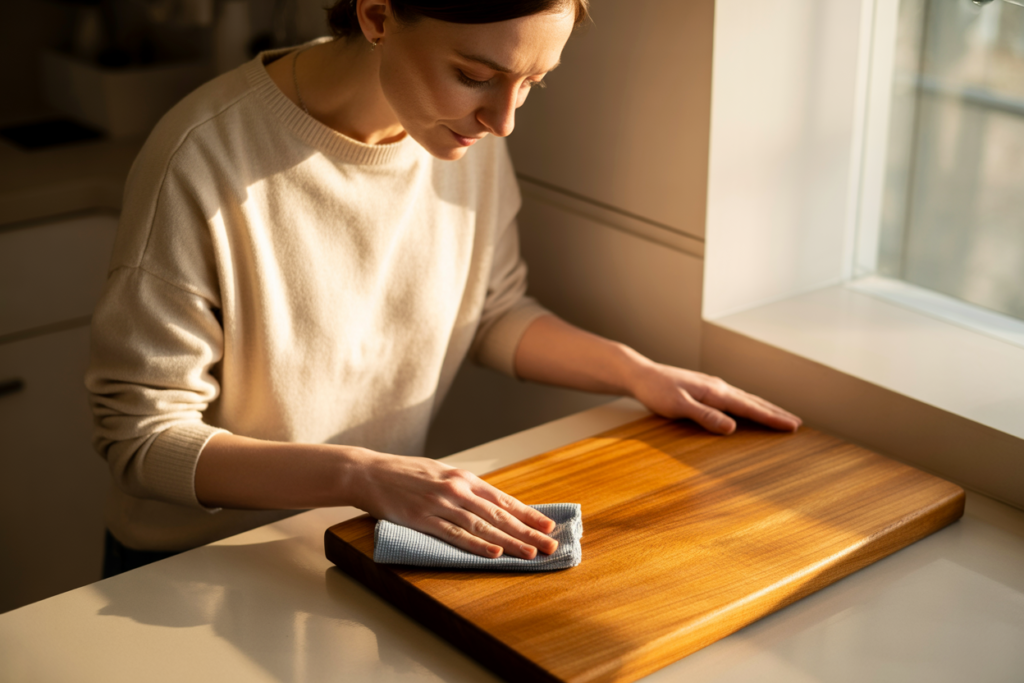
Chopping boards are an essential tool in every kitchen. Whether you’re slicing vegetables, chopping fruits, or carving meat, a high-quality chopping board is vital for food safety, maintaining knife sharpness, and providing a stable cutting surface. Among the various types available, teakwood chopping boards are particularly popular due to their natural durability, resistance to moisture, and beautiful grain patterns. If you’ve invested in a good quality chopping board, proper maintenance is essential to ensure it lasts for years and continues to perform optimally. This guide will walk you through the steps on how to maintain your wooden chopping board for daily use, ensuring it remains an indispensable kitchen companion for years. Choosing the Right Chopping Board Before diving into maintenance tips, it’s essential to understand why wooden chopping boards are often preferred over other types of boards, such as plastic, steel, or other wood types. Why Choose Teakwood? Teakwood is a dense, natural material known for its resistance to water and bacteria. Its oils and natural properties help prevent the board from warping, cracking, or absorbing odors over time. Unlike plastic cutting boards, which can develop deep knife grooves that trap bacteria, teakwood has natural antibacterial properties that make it safer for food preparation. Different Types of Chopping Boards While wooden chopping boards (like teakwood and oak) are the go-to choice for many chefs and home cooks, steel chopping boards are gaining popularity due to their durability and ease of cleaning. However, there are pros and cons to both options. Wooden Chopping Boards: Steel Chopping Boards: When selecting a cutting board, it’s essential to consider your cooking style, the type of food you prepare, and how much time you’re willing to dedicate to board maintenance. For those who prefer a more sustainable and kitchen-friendly wooden chopping board, teakwood remains an excellent choice. Essential Maintenance Tips for Teakwood Chopping Boards a. Cleaning Your Teakwood Chopping Board The first step to maintaining your teakwood chopping board is proper cleaning. A clean chopping board is essential to prevent the buildup of food particles and bacteria, which can lead to unpleasant odors and contamination. How to Clean Your Teakwood Chopping Board: b. Deep Cleaning with Natural Ingredients While routine cleaning is crucial, deep cleaning is necessary every month to maintain the board’s luster and remove any lingering odors or stains. Here’s how: c. Oil and Condition Your Teakwood Chopping Board Wood is a natural material that can dry out over time, especially when exposed to water and harsh chemicals. Regular oiling helps keep the teakwood chopping board hydrated, maintaining its appearance and preventing cracks. How to Oil Your Teakwood Chopping Board: How Often Should You Oil Your Teakwood Chopping Board? For a high-quality wooden chopping board like teak, it’s recommended to oil it every 3-4 weeks, depending on how frequently you use it. If the board looks dry or dull, it’s time for an oiling session. Storing Your Teakwood Chopping Board Proper storage is just as important as cleaning and oiling. Storing your teakwood chopping board improperly can lead to warping or splitting. How to Store Your Teakwood Chopping Board: Store Vertically: If possible, store the chopping board vertically on its edge. This allows air to circulate around it and prevents any bending or sagging. Preventing Knife Marks and Scratches While teakwood chopping boards are durable, they are still susceptible to scratches and knife marks. Here’s how to minimize damage: How to Prevent Knife Marks: Rotate the Board: Regularly rotate your chopping board to distribute the cutting marks evenly. If the board is reversible, use both sides to reduce wear. Dealing with Stains and Odors Wooden chopping boards, especially high-quality wooden chopping boards, tend to absorb food odors and stains. A great way to remove these is by using baking soda or lemon. Simply sprinkle baking soda on the surface and scrub with a lemon half. This natural cleaning method works wonders to neutralize odors and remove tough stains. Here’s how to handle it: How to Remove Stains: How to Remove Odors: Avoiding Common Mistakes When Caring for Your Teakwood Chopping Board a. Never Put Your Board in the Dishwasher Unlike plastic or bamboo boards, teakwood chopping boards should never be put in the dishwasher. The heat and moisture can warp the wood, causing irreparable damage. b. Don’t Let It Soak in Water Avoid soaking your teakwood chopping board in water. Always clean it quickly and dry it immediately to prevent swelling and splitting. c. Use Only Food-Safe Products When applying oil or cleaning products, ensure that they are food-safe and non-toxic. Avoid products with harmful chemicals or perfumes that could affect the quality of the board or the food you prepare on it. Keeping Your Teakwood Chopping Board in Top Condition A high-quality wooden chopping board like a teakwood chopping board, is an investment that, with proper care, can last for years. Regular cleaning, oiling, and proper storage will ensure that your board remains a functional and beautiful part of your kitchen. By following these simple steps, you can maintain your teakwood chopping board in excellent condition, ensuring it serves you well for all your chopping, cutting, and food preparation needs. Whether you’re using any utility products, taking care of your tools will enhance both your cooking experience and the lifespan of your board. For more tips on maintaining your teakwood chopping board, or to explore our wide range of high-quality products, feel free to contact us. Whether you’re looking for a durable chopping board or any other kitchen essentials, we’re here to help! Visit us to learn more or contact us for any product inquiries.
From Prep to Plate: How the Right Chopping Board Enhances Your Cooking
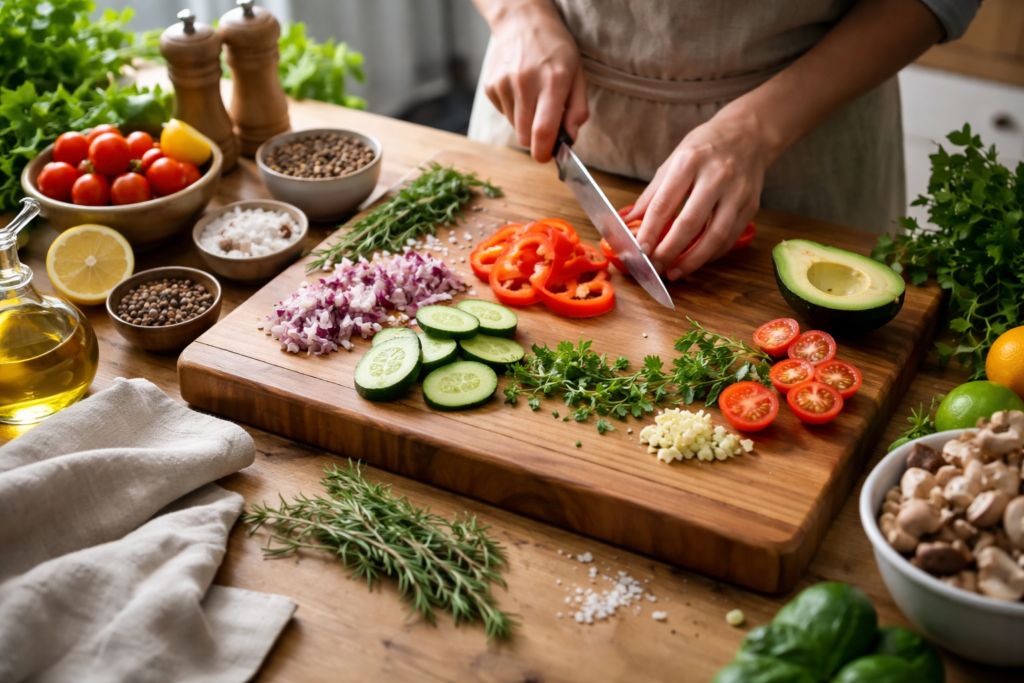
In every kitchen, from home setups to professional workspaces, preparation is where great cooking truly begins. While knives, cookware, and appliances often get the spotlight, one essential tool quietly shapes the entire cooking experience the chopping board. It directly affects hygiene, safety, knife performance, and even how enjoyable food preparation feels. Choosing the right chopping board is not just about convenience; it is about building a reliable foundation for better cooking. The right surface supports precision, maintains cleanliness, and stands up to daily wear. Whether you are a home cook or a professional chef, understanding chopping board materials, construction, and usage can significantly elevate your kitchen efficiency. Why the Chopping Board Matters More Than You Think Every ingredient touches the chopping board first. Vegetables, fruits, meats, and herbs all come into direct contact with its surface. A poor-quality board can trap bacteria, dull knives quickly, and become unsafe over time. On the other hand, a well-made chopping board improves workflow, reduces contamination risks, and lasts for years. Modern kitchens demand tools that combine durability, hygiene, and aesthetics. This is where material selection plays a critical role, especially when comparing wooden and metal chopping boards. Stainless Steel Chopping Boards: Strength Meets Hygiene For kitchens that prioritize hygiene and durability, stainless steel chopping boards have become a preferred option. A Food-Grade Stainless Steel Cutting Board offers a non-porous surface that does not absorb moisture, odors, or bacteria. This makes it particularly suitable for handling raw meat, seafood, and high-risk ingredients. Another major advantage is maintenance. A Rust-Proof Chopping Board for Kitchen environments ensures long-term performance even with frequent washing and exposure to moisture. Unlike traditional materials that may crack or warp, stainless steel maintains its shape and integrity. Professional kitchens often rely on suppliers who understand food safety standards. Working with a Hygienic Stainless Steel Cutting Board Supplier ensures compliance with strict hygiene requirements while offering consistent quality and finish. For demanding environments, a Durable Metal Chopping Board for Chefs delivers exceptional resistance to impact, heat, and repeated use. These boards are designed for high-volume food preparation where performance and sanitation cannot be compromised. In India, many kitchens now prefer 304 Stainless Steel Chopping Board India variants due to their corrosion resistance, strength, and food-safe properties. This grade is widely trusted in commercial and residential kitchens alike. Wooden Chopping Boards: Tradition, Functionality, and Knife Care Wooden chopping boards continue to be valued for their natural appeal and knife-friendly surface. A reliable Premium Wooden Cutting Board Supplier focuses on craftsmanship, material sourcing, and food safety, ensuring boards are both functional and visually refined. Among wooden options, Handcrafted Teak & Acacia Chopping Boards stand out for their density and durability. Teak naturally contains oils that resist moisture and bacterial growth, while acacia offers strength with striking grain patterns. Together, they create boards that are long-lasting and suitable for daily use. Sustainability has become a major consideration in modern kitchens. Choosing an Eco-Friendly Wooden Chopping Board India option supports responsible sourcing while delivering a biodegradable and renewable kitchen tool. When it comes to food safety, a Food-Grade Wooden Cutting Board for Kitchen use is treated and finished to prevent contamination while maintaining the integrity of the wood. Properly sealed wooden boards are safe, reliable, and widely used across the world. One of the biggest advantages of wood is knife preservation. A Knife-Friendly Wooden Chopping Board absorbs impact gently, helping blades retain their sharp edge for longer compared to harder surfaces. Choosing Between Stainless Steel and Wooden Boards The decision between stainless steel and wooden chopping boards depends on how you cook and what you value most in your kitchen. Stainless steel boards are ideal for: Wooden boards are better suited for: Many experienced cooks keep both types in their kitchen, using each for its strengths. Hygiene, Safety, and Long-Term Value A chopping board is not something that should be replaced frequently if chosen wisely. Poor-quality boards may look affordable initially, but they often wear out quickly, develop deep grooves, or become unhygienic. Investing in the right board ensures safety, consistency, and peace of mind. Proper care also extends the life of any chopping board. Stainless steel boards require simple washing and drying, while wooden boards benefit from occasional oiling and proper storage. With the right care, both materials offer long-term value and reliable performance. Why Quality Matters in Purchase Decisions A chopping board is a daily-use item. Every cut, slice, and chop depends on its surface. Choosing a high-quality board improves efficiency, reduces waste, and enhances the overall cooking experience. It also reflects a thoughtful approach to kitchen essentials—prioritizing safety, durability, and functionality over temporary convenience. When evaluating options, consider material quality, manufacturing standards, food-grade certifications, and long-term usability. These factors matter far more than appearance alone. Final Thoughts: From Preparation to Performance Cooking begins long before food reaches the stove. Preparation defines precision, hygiene, and confidence in the kitchen. The right chopping board acts as a silent partner in every meal you prepare, supporting your skills and protecting your tools. Whether you choose stainless steel for hygiene and strength or wood for knife care and sustainability, selecting the right chopping board is an investment in better cooking. Thoughtful choices today lead to smoother workflows, safer food preparation, and a more enjoyable kitchen experience tomorrow.
Stainless Steel Chopping Boards: Smart Upgrade or Overhyped Trend?
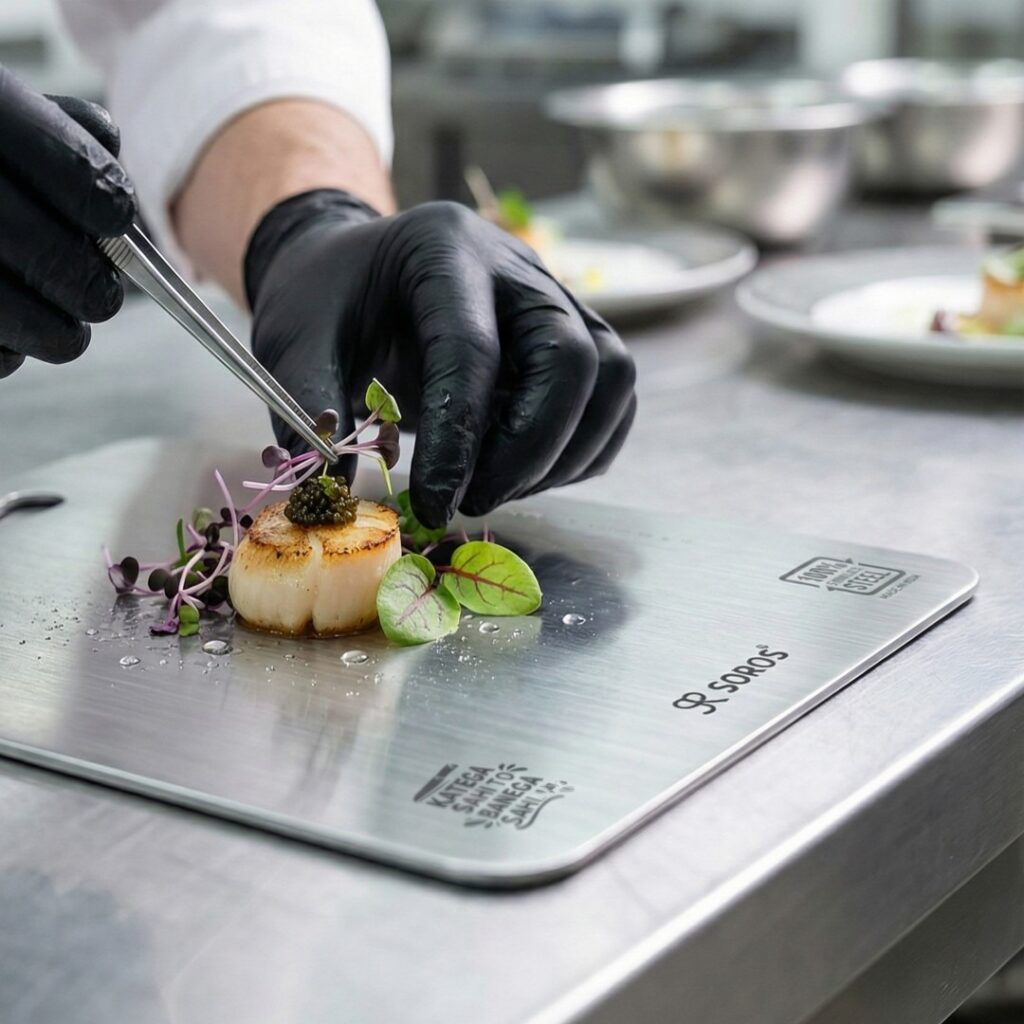
Anyone who has spent time in the kitchen knows that chopping boards are not as simple as they look. Wooden boards demand constant care and can develop mould if moisture lingers. Plastic boards, while convenient, raise concerns around hygiene and microplastics mixing with food over time.
With these issues in mind, stainless steel chopping boards entered the market, promising a hygienic, low-maintenance alternative. After using one regularly for close to a year, here’s an honest take on whether they actually make sense for everyday cooking.